







Search Results for: staff annotations
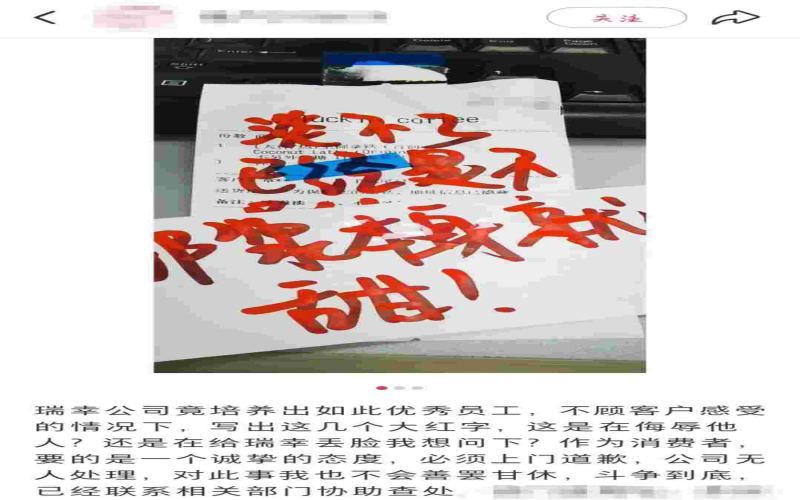
Luckin employee responds to customer taste request with handwritten note in red pen on receipt, customer complaint escalation sparks heated discussion
A coconut milk latte with a note saying "make it a bit lighter," because the staff member filled the receipt with explanatory text in red marker, sparked a customer complaint storm that escalated from social media to the media. The customer felt the store's attitude was disrespectful and demanded a home visit apology; the store explained that it was busy at the time and could not call each customer individually. After the incident trended on social media, netizens' opinions were sharply divided, and beverage industry workers also chimed in. In this dispute caused by a red-text receipt, who really has a point? [more…]

Mysterious abbreviations on milk tea orders spark debate, insiders say they're a helpless outlet for emotions
Recently, a photo of a milk tea shop order receipt sparked widespread discussion on social media. In the photo, the receipt clip above the employee's head is stuffed with orders, with words like "SB" and "said sweet" written in black marker, leading the photographer to mistakenly think they were all curse words. Subsequently, netizens and milk tea industry workers offered interpretations, suggesting these abbreviations were more likely markers for order notes or emotional venting by employees. The incident reflects the real situation of food service workers under the pressure of order surges and understaffing, and also triggered discussions about mutual understanding between customers and employees. [more…]
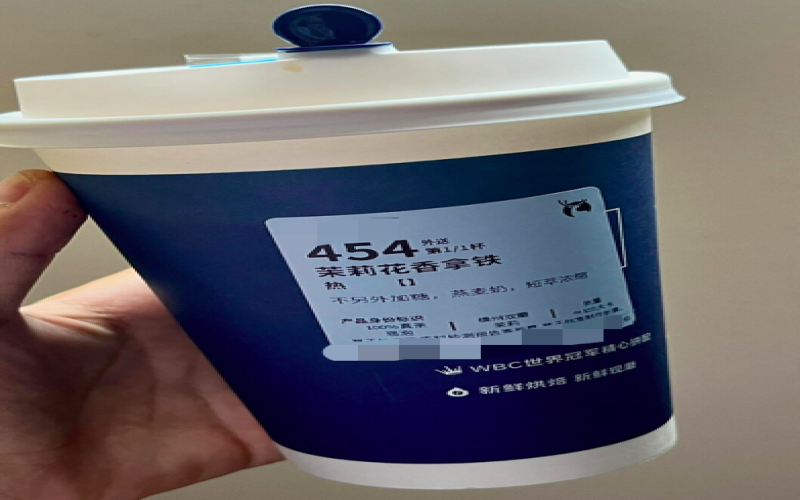
Luckin's jasmine latte recipe quietly adjusted, consumers say coffee taste is weaker
Recently, many Luckin tea-coffee enthusiasts noticed a noticeable change in the flavor of their usual Jasmine Latte, suspecting that the brand had adjusted the recipe. In March of this year, Luckin had just announced an upgrade to its light milk tea, switching from tea powder to freshly brewed tea, and the Jasmine Latte was improved accordingly, with a fresh tea aroma that blended well with the coffee, making it a daily must-order for many consumers. However, starting June 2, regulars reported that the drink tasted weaker, with the coffee flavor almost gone—some even described it as drinking milky tea water. Some customers noticed from the cup labels that the espresso notation had changed from "Espresso Concentrate" to "Short Extract Espresso," and staff also revealed that the ratios of tea, milk, and coffee had all been altered. This adjustment sparked widespread dissatisfaction, with an increase in negative reviews and complaints at stores, and loyal fans calling on the official brand to restore the original recipe. [more…]
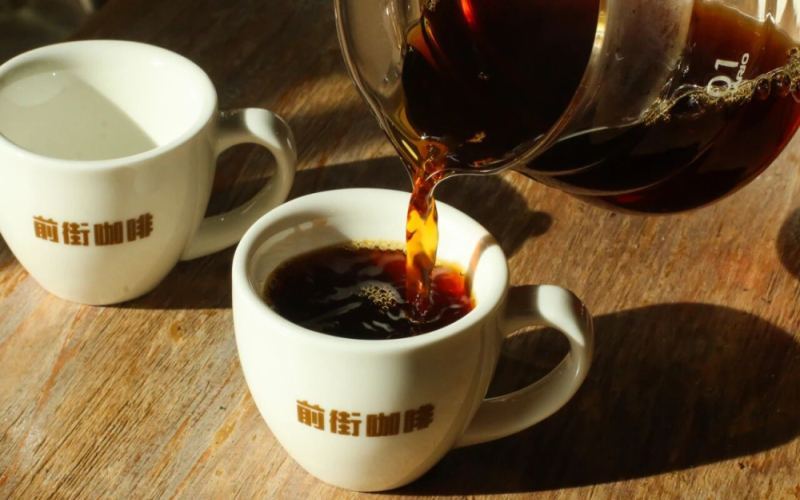
2026 Best-Selling Specialty Arabica Coffee Beans Ranking: Ten High-Value Pour-Over Beans Tested and Recommended
Faced with the dazzling array of coffee beans on the market, consumers often find it hard to judge which one truly suits their taste based on评分表 alone. Rather than repeated trial and error wasting your budget, it's better to refer to a market-tested list of popular options. This article compiles the 2026 hot-selling list of specialty Arabica coffee beans, covering ten beans with distinctive characteristics, from Ethiopia's Huakui and Yirgacheffe, to Indonesia's Mandheling, Colombia's Huila, and Yunnan small-batch and classic Italian blends, each one annotated with roast level, flavor description, and suitable brewing methods. Whether you prefer bright fruity acidity or full-bodied sweet aftertaste, you can find a cost-effective choice suitable for pour-over, cold brew, or espresso in this list. [more…]
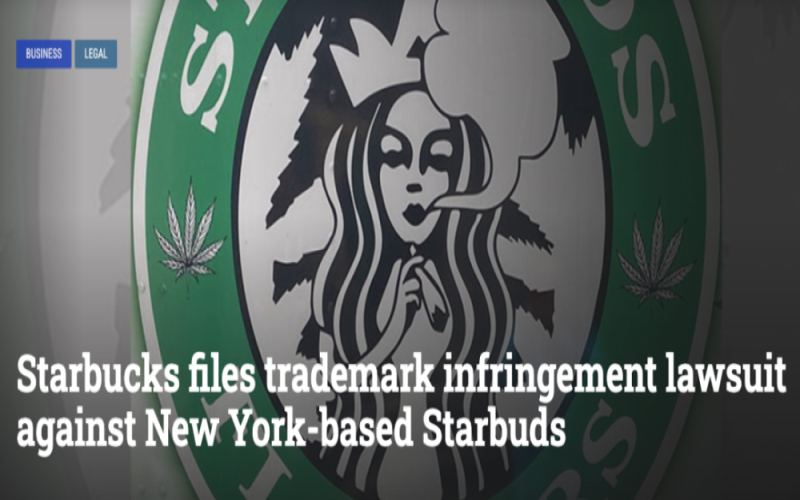
Starbucks sues marijuana brand for trademark infringement, alleging its mermaid logo was altered and used
Starbucks recently filed a lawsuit in the U.S. District Court for the Southern District of New York against a cannabis company called Starbuds Flowers, accusing it of intentionally imitating its classic mermaid trademark and misleading consumers by exploiting the Starbucks brand's reputation. In the complaint, Starbucks compared the similarities between the two logos point by point, noting that Starbuds not only used the similar design on its mobile sales trucks and official website, but also printed it on cigarettes and cannabis products. Starbucks is asking the court to prohibit the other party from continuing to use the logo, destroy the related products, and disgorge the profits obtained from the infringement. In fact, Starbucks had already sent a cease-and-desist letter as early as last August and subsequently sent multiple takedown notices, but received no response. As of July 2, Starbuds' sales trucks and website were still in operation. [more…]
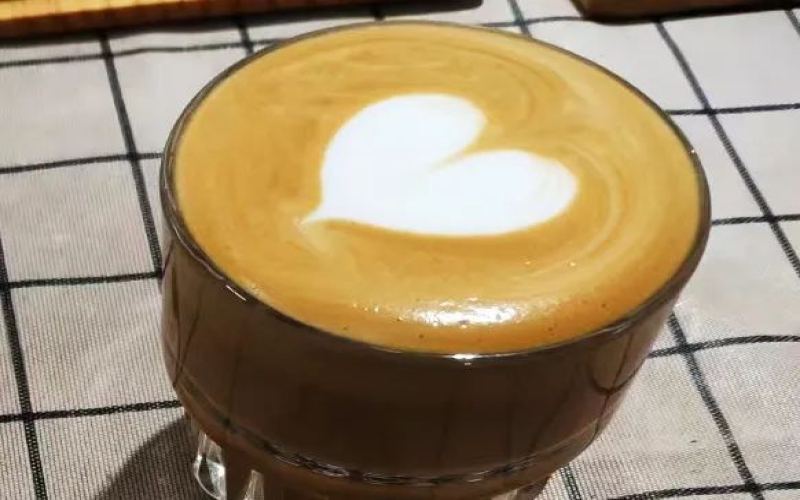
Latte Art Basics Tutorial: Step-by-Step Guide to Making a Large Heart Pattern and Detailed Explanation of Common Mistakes
Want to learn latte art but don't know where to start? In this issue, Front Street Coffee brings you a tutorial on the most basic and classic pattern: the large heart. The large heart is the first pattern that most beginners successfully pour, and it is also the foundation for many complex designs. Mastering it requires first getting through several fundamentals: espresso extraction, milk frothing, pitcher holding, and integration. This article will break down in detail the milk foam thickness, the amount of integration, the choice of pouring point, the milk-pouring technique, and the finishing touches, and will also include multiple photos of failed cases with cause analysis to help coffee lovers avoid detours and pour a beautiful, centered, full heart. [more…]

Heytea's brand logo has quietly updated once again, sparking heated discussion among netizens about the subtle tweaks and the brand's intentions.
Heytea has recently made another subtle adjustment to its brand logo, just over three months after the last logo change, sparking widespread discussion on social media platforms. Many netizens, when faced with side-by-side comparisons of the old and new versions, exclaimed that they could see no difference, while sharp-eyed users listed the细微 changes in the ears, face shape, bangs, and facial features one by one, jokingly calling the Heytea boy's "medical aesthetic微调". From the golden line figure to the return of the classic "black-haired A-xi," and now to the current detail adjustments, the intention behind Heytea's frequent logo changes has sparked much speculation: Is it a statement of returning to its original aspirations, or an optimization to cater to current aesthetics, or simply a carefully planned brand hype marketing? [more…]
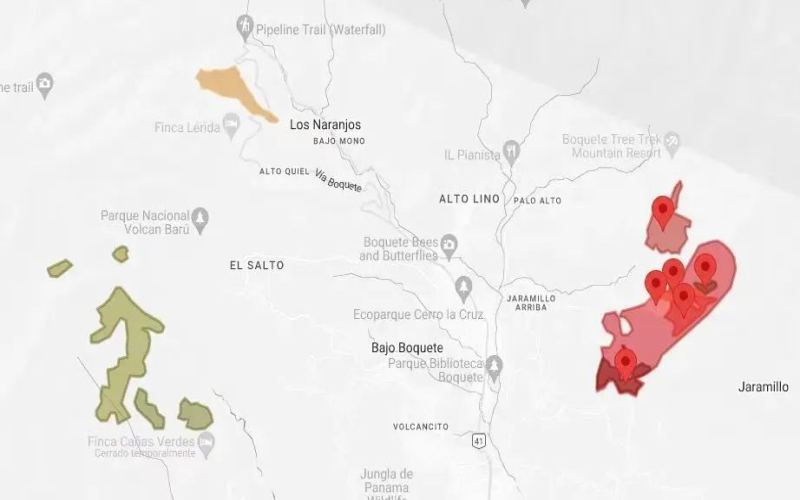
A Complete Guide to Panama Hacienda La Esmeralda Geisha Coffee: From Terroir to Red, Green, and Blue Label Grading and Cupping Flavors
The reason Panamanian coffee has been able to occupy a dazzling position on the world specialty coffee map lies both in the unique microclimate formed by the convergence of the Central Cordillera and cold air, and in the support of fertile volcanic soil. Among the many producing regions, Hacienda La Esmeralda in Boquete is undoubtedly the discoverer and promoter of Geisha flavor. This article will guide you through how Hacienda La Esmeralda classifies Geisha grades such as Red Label, Green Label, and Blue Label based on altitude and cupping performance, analyze the core differences between Red Label and Green Label, and include detailed cupping flavor notes for Front Street Coffee's Red Label and Green Label Geisha, helping coffee enthusiasts more clearly choose a Geisha that suits them. [more…]
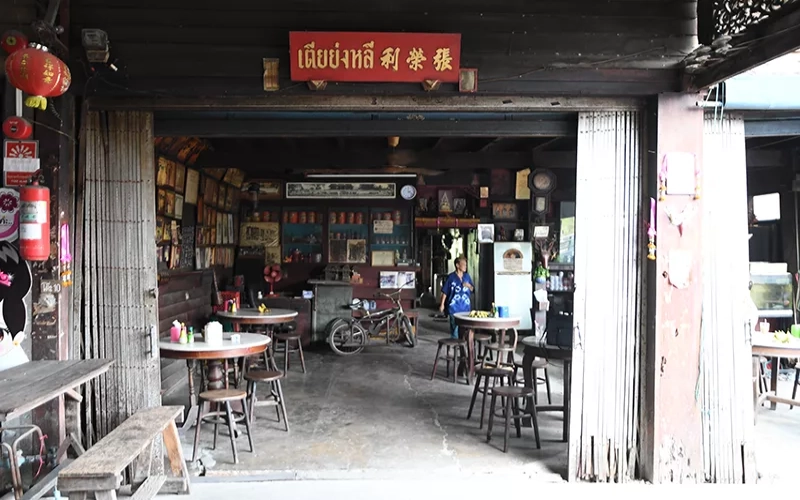
A Century-Old Thai Coffee House's Enduring Spirit: Traditional Brewing Craft and the Generational Legacy of a Single Cup of Coffee
As the specialty coffee wave sweeps the globe, with pour-over, espresso, and golden cup extraction dominating the conversation, is there still anyone willing to pause for a cup of the most traditional coffee? In Pathum Thani Province, Thailand, a century-old café named Zhang Lirong quietly tells a different kind of coffee story through a single stainless steel coffee pot, a cheap drip filter spoon, and three generations of perseverance. There are no specialty beans here, no intricate techniques—only charcoal-roasted Robusta, a humble menu annotated in Teochew dialect, and the warmth of a ten-baht cup. This article takes you inside this century-old Siamese establishment to experience the cultural heritage that transcends flavor behind traditional brewing methods, and to glimpse similar steadfast traditions such as Hong Kong charcoal-roasted coffee. [more…]
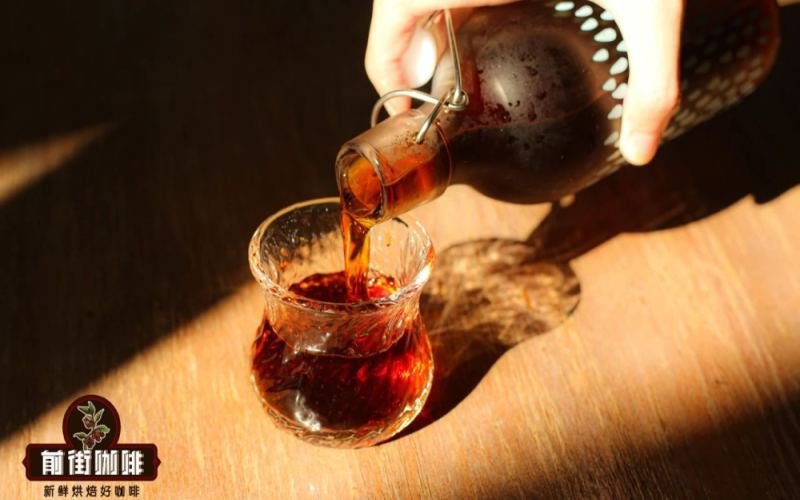
In-Depth Comparison of Pour-Over and Espresso: A Comprehensive Analysis from Bean Selection and Extraction Methods to Caffeine Content
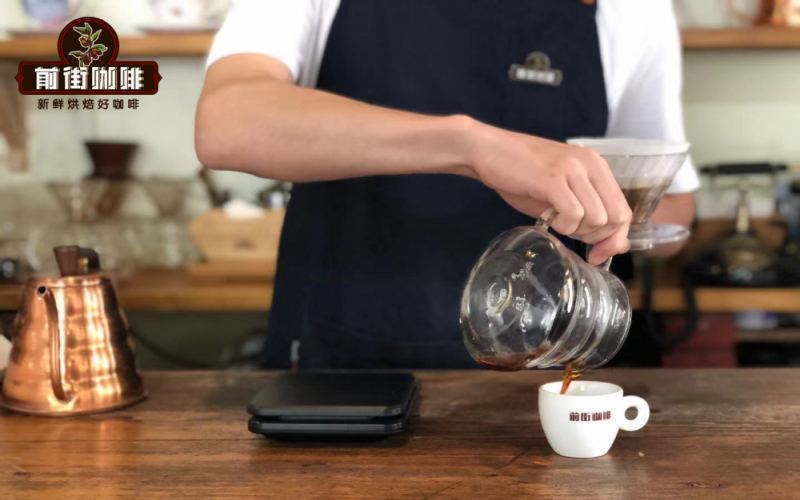
Coffee is becoming part of the daily routine for more and more people in China, and pour-over and espresso are the two most representative brewing directions. The two differ significantly in bean selection, preparation methods, and the final flavor profile. Pour-over usually uses single-origin beans and relies on gentle extraction at normal pressure, which better showcases the authentic flavor profile of the origin; espresso, on the other hand, relies on blended beans and a high-pressure environment of 9 atmospheres to produce a rich, full-bodied concentrate, which is the base for milk coffee drinks such as lattes and Americanos. In addition, the two also differ in caffeine content, grind size, and brewing time. This article will compare these differences one by one and include the specific preparation steps for Front Street Coffee's espresso and pour-over coffee for coffee enthusiasts' reference. [more…]
Interpreting the Ten Major Categories of the Coffee Flavor Wheel: A Tasting Guide and Descriptive Methods from Fruit to Floral
When drinking coffee, have you ever felt that the taste is familiar yet hard to put into words? The coffee flavor wheel is exactly the tool that helps us transform vague perceptions into precise descriptions. This article systematically analyzes the ten major categories in the Coffee Taster's Flavor Wheel developed by SCAA and created by Counter Culture Coffee, covering fruity, chocolate, sweet, nutty, grain, roasted, spice, aroma, vegetal, and floral. It also combines examples from several Front Street Coffee beans to explain how different producing regions and roast levels shape flavor expression. At the same time, it shares tasting methods and brewing suggestions to take you from hot to cold, from acidity to sweetness, and gradually build your own coffee taste memory. [more…]

Full Analysis of the Panama BOP Competition: Differences and Brewing of Hacienda La Esmeralda Geisha Red, Green, and Blue Label Coffee Beans
The Best of Panama (BOP) is the world's first green coffee competition, using blind cupping to conduct sensory evaluation of Panamanian specialty coffee, and it has greatly promoted the specialty cultivation of Panamanian coffee. This article begins with the history of the BOP auction and provides a detailed introduction to the Geisha legend of Hacienda La Esmeralda, including the grading criteria for Red Label, Green Label, and Blue Label, their plot origins, processing methods, and flavor differences, along with Front Street Coffee's brewing parameter recommendations to help coffee enthusiasts gain a comprehensive understanding of the origins and evolution of this top-tier Geisha. [more…]
Why Is Geisha Coffee Called the Most Expensive Coffee Bean? A Full Analysis of Hacienda La Esmeralda Red, Green, and Blue Label Prices and Pour-Over Parameters
Geisha coffee has always been the unattainable dream in the hearts of coffee lovers; its elegant and refined flavors have captivated even the most seasoned connoisseurs who favor the rich, full-bodied taste of Mandheling. Just what makes this high-quality coffee so expensive? How much does a cup of pour-over Geisha cost? Front Street Coffee's Emerald Red Label Geisha freshly ground pour-over is priced at 75 yuan, while the Green Label is 60 yuan. This article will systematically sort out the varietal origins of Geisha, the Red-Green-Blue label grading system of Panama's Emerald Estate, the growing environment of Debora Estate, and the flavor characteristics and brewing suggestions for each grade of Geisha, helping readers gain a comprehensive understanding of where the value of this precious variety lies. [more…]
Tracing the Origins of Panama's BOP Competition: Hacienda La Esmeralda Geisha Red, Green, and Blue Label Grades and Their Brewing Flavor Analysis
The Panama BOP (Best of Panama) is the world's first green coffee competition. Since its inception in 1996, it has profoundly advanced the development of specialty coffee, and Hacienda La Esmeralda's Geisha shot to fame in 2004. Hacienda La Esmeralda meticulously grades its Geisha by altitude and plot, forming a three-tier system of Red Label, Green Label, and Blue Label. This article systematically reviews the origins of the BOP competition and auction, the history and plot divisions of Hacienda La Esmeralda, analyzes in detail the definitional differences between Red Label, Green Label, and Blue Label, and includes Front Street Coffee's brewing parameter recommendations and flavor descriptions, providing coffee lovers with a complete guide to Geisha knowledge. [more…]
The Origin and Evolution of Geisha Coffee Beans: How to Accurately Identify the Truth and Falsehood of Geisha Historical Claims
Geisha coffee beans now frequently appear in major coffee competitions, becoming a star variety in the specialty coffee world. Where exactly did it come from, and how did it step by step reach the world stage? This article will start with the variety definition and origin of Geisha, sorting out its development trajectory from the forests of Ethiopia to Panama's Hacienda La Esmeralda, and provide a detailed interpretation of Hacienda La Esmeralda's Red Label, Green Label, and Blue Label Geisha grading systems and their respective flavor characteristics. At the same time, Front Street Coffee will share years of cupping and roasting experience, analyzing methods for identifying Geisha green beans, light-roast approaches, and brewing suggestions, helping coffee enthusiasts clarify the true and false claims in Geisha's history. [more…]
Jamaica Blue Mountain No. 1 Coffee Beans Flavor Analysis: From Origin History to Authenticity Identification and Brewing Guide
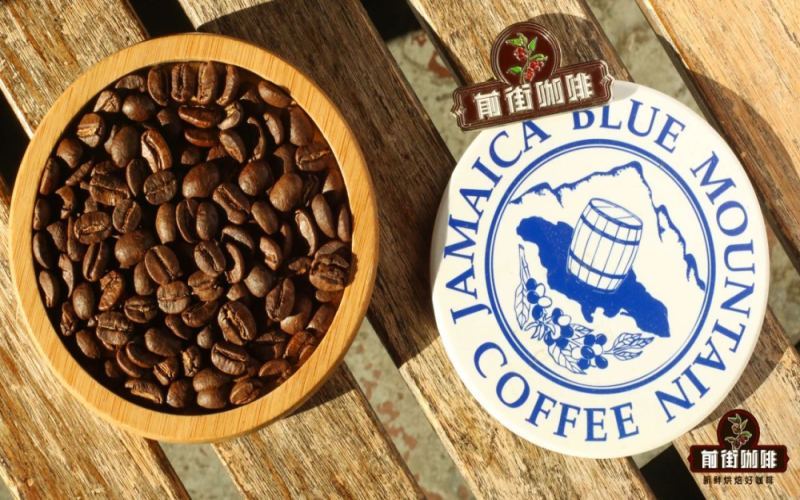
Blue Mountain coffee is arguably the most recognizable name in the coffee world, appearing on supermarket shelves and in vending machines everywhere, yet beans that genuinely meet the Jamaican Blue Mountain standard are extremely scarce. This article begins with the Clifton Estate Blue Mountain No. 1 selected by Front Street Coffee, and examines the growing conditions of Jamaican Blue Mountain coffee, its varietal characteristics, the flavor differences between the washed and natural processing methods, its rise and fall since the eighteenth century along with the government regulatory system, and offers practical criteria for identifying authentic Blue Mountain coffee, the basis for its grade classification, as well as Front Street's brewing parameters using the KONO dripper and a flavor comparison, to help coffee enthusiasts gain a comprehensive understanding of this classic coffee. [more…]
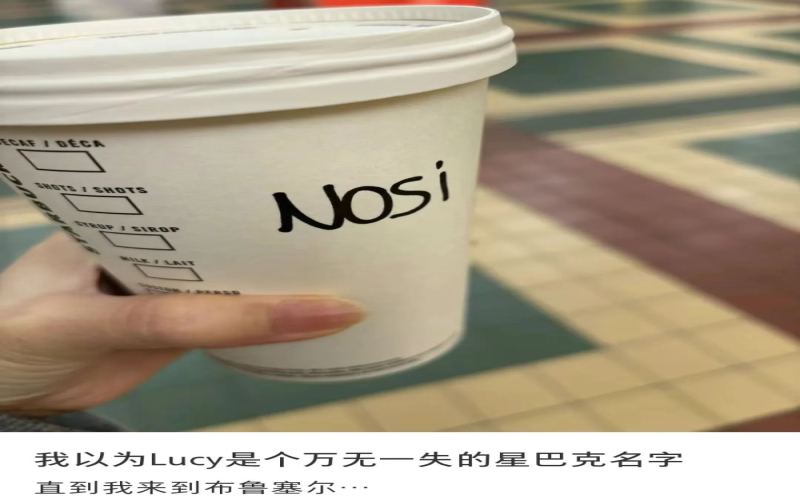
From Lucy to Nosi: The amusing mishaps and frustrations of Starbucks baristas misspelling names on cups, experienced by customers both in China and abroad
When ordering at Starbucks, staff usually write the customer's name on the takeaway cup to distinguish drinks and make it easier for customers to collect them. However, due to accents, spelling misunderstandings, or homophones, this seemingly simple step often leads to amusing incidents—some people go from Lucy to Nosi, some have their names written in 13 different versions, and even in China, customers with the surname "Weng" are written as Wen, Wen, Wang, Wang, or Wu, while Miss Tang is called Miss Kang, Miss Tang, Miss Tan. Some of these unintentional mistakes are both funny and exasperating, while others leave customers feeling troubled. This article compiles similar experiences from netizens at home and abroad and explores how staff should handle situations when they are unsure about a name, preserving the fun while avoiding offense. [more…]

A customer at a Luckin Coffee store in Hangzhou verbally abused staff after being refused for cutting in line; the employee involved has reported the matter to the police.
Recently, a surveillance video from a Luckin Coffee store in Hangzhou, Zhejiang, has gone viral online. The video shows a customer who, after waiting 25 minutes, demanded that the staff prioritize making their drink. When refused, the customer lost control of their emotions and verbally attacked the staff, even mocking their education and appearance. Unexpectedly, the two employees remained calm and restrained throughout, responding with a composed attitude. The incident sparked widespread discussion among netizens, with many praising the employees' professionalism, while others suggested the brand should give them a "grievance award." The employees involved said they have called the police, hoping to make more people realize that insulting others comes at a cost. [more…]

Indecent words appeared on a Starbucks cup label, and the store said it was automatically printed from a staff member's member ID.
Recently, a consumer in Nanjing discovered that after purchasing a drink at a Starbucks, the cup label prominently displayed a single Chinese character "骚" (meaning "flirty" or "lewd"). The store explained that the character was the staff member's membership ID within the app, which was automatically printed on the label due to the use of a coupon. The consumer questioned this, stating that they were not informed about the coupon usage when placing the order, which also involved points issues, and suspected that the staff member was pocketing the difference. The incident sparked widespread discussion online, with both sides disputing whether the name on the label came from the consumer's custom nickname or the staff member's ID, and no settlement has been reached yet. [more…]
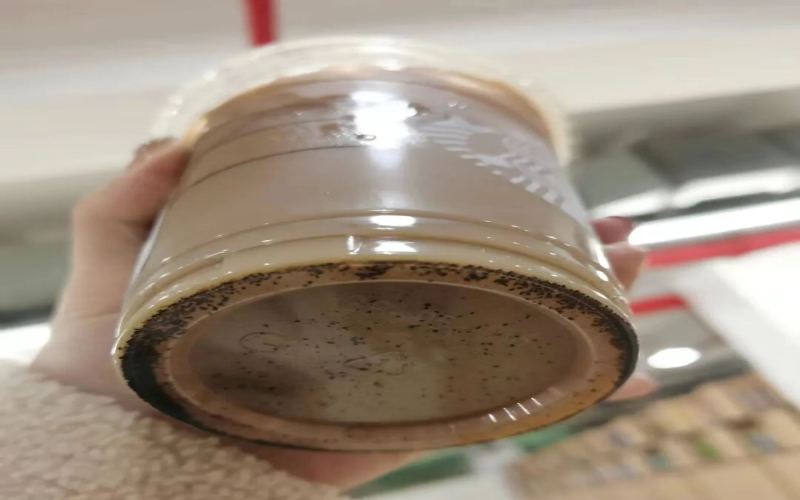
Starbucks Salted Flat White Leaves Black Powder Residue at the Bottom of the Cup, Staff Clarifies: Having Powder Is the Standard Serving
Starbucks has clearly picked up the pace of new product launches this year. Before people have even had a chance to check in on the cherry blossom limited edition, the Salted Flat White has already taken over as the store's main promotion. However, this new product has sparked controversy because of black powder residue left at the bottom of the cup, with many consumers suspecting that staff had made an operational error and mixed in coffee grounds. Faced with complaints, Starbucks staff collectively protested their innocence—having coffee powder is actually the correct method, and not having it would instead be a violation. What exactly is going on here? Why is the freshly ground coffee powder used for decoration so often mistaken for extraction residue? And why do consumers have so many complaints about the taste? This article will reconstruct the whole incident and analyze the gap between the standard recipe for this beverage and the consumer experience. [more…]